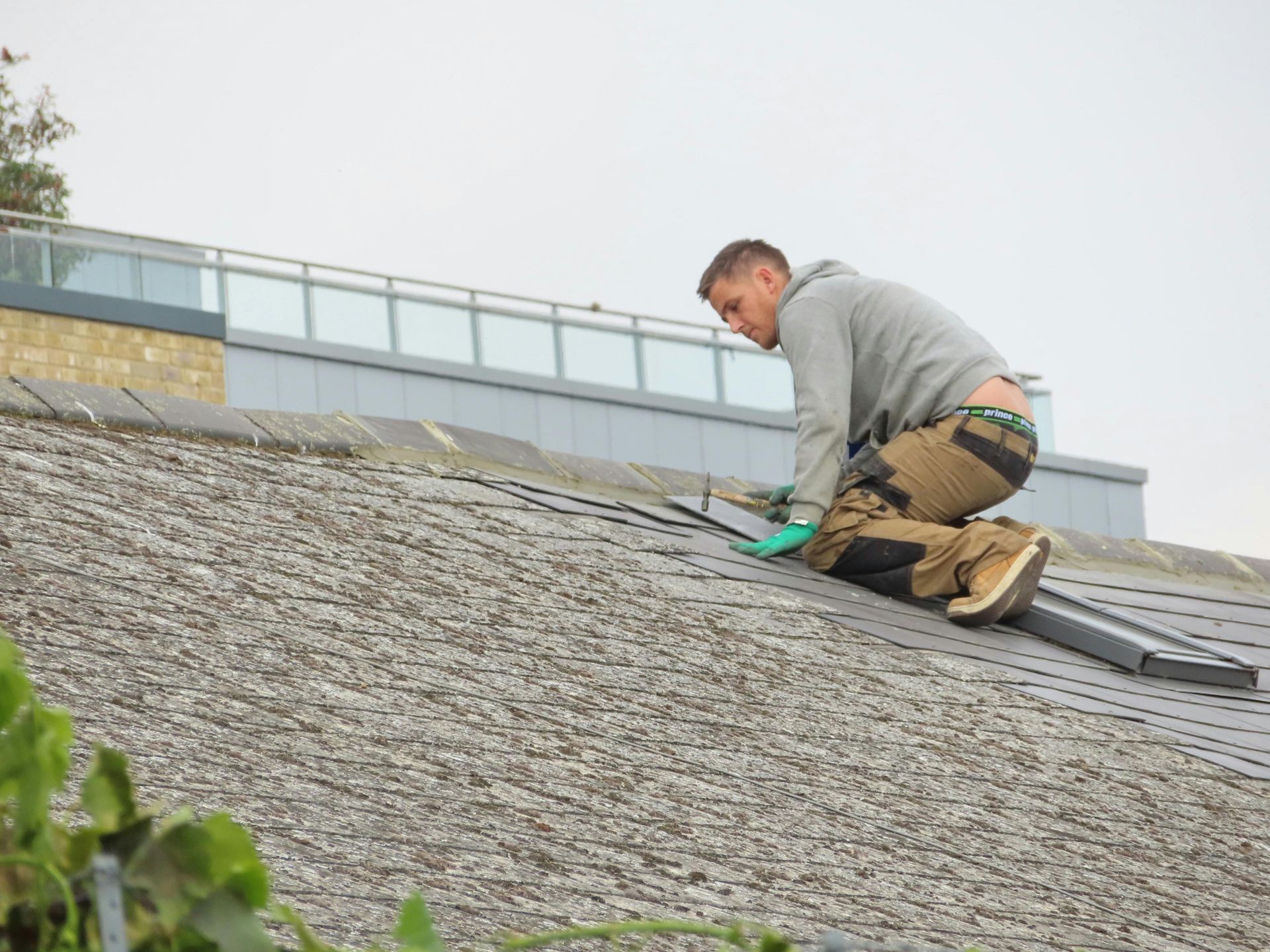
Roof Damage Checklist: What to Do After a Storm
Understanding & Addressing Roof Damage:
Severe storms can take a serious toll on your home, and your roof is often the first area affected. High winds, hail, heavy rain, and falling debris can cause damage that isn’t always immediately obvious. Knowing what to do after a storm can help prevent minor issues from turning into costly problems.
Use this roof damage checklist to assess your home, protect your property, and determine when professional roof repair is needed.
1. Prioritize Safety First
Before inspecting your roof, make sure it’s safe to do so. Storm damage can create hazards such as loose power lines, fallen branches, or unstable structures.
Safety tips:
- Stay off the roof if it’s wet, icy, or visibly unstable
- Watch for downed power lines near your home
- Use binoculars instead of climbing if possible
- If you suspect structural damage, wait for a professional inspection
Your safety always comes first—never risk injury to assess damage.
2. Check for Visible Exterior Damage
From the ground, walk around your home and look for obvious signs of roof damage.
What to look for:
- Missing, cracked, or curled shingles
- Shingle granules collected in gutters or on the ground
- Dents or cracks from hail impact
- Sagging areas or uneven roof lines
- Damaged flashing around chimneys, vents, or skylights
Even small exterior issues can allow water to penetrate your roof system, leading to leaks and interior damage.
3. Inspect Gutters & Downspouts
Your gutter system can provide early clues that your roof has been compromised.
Red flags include:
- Shingle granules washing into gutters
- Bent, detached, or clogged gutters
- Downspouts pulling away from the house
Gutter damage can cause water to pool near your foundation and increase the risk of roof leaks, making timely roof repair essential.
4. Look for Interior Warning Signs
Roof damage often shows up inside your home before it’s visible outside. After a storm, inspect your attic and ceilings carefully.
Interior signs of roof damage:
- Water stains on ceilings or walls
- Damp insulation or attic leaks
- Peeling paint or bubbling drywall
- Musty odors indicating trapped moisture
If you notice any of these issues, water is already entering your home and repairs should not be delayed.
5. Document All Damage
If the storm caused noticeable damage, documentation is critical—especially if you plan to file an insurance claim.
Best practices for documentation:
- Take clear photos and videos from multiple angles
- Capture both exterior and interior damage
- Write down the date and details of the storm
- Keep records of any temporary fixes
Accurate documentation can speed up the claims process and help ensure you receive proper coverage for roof repair.
6. Prevent Further Damage Temporarily
If you spot active leaks or exposed areas, temporary measures can help limit additional damage until permanent repairs are made.
Temporary steps may include:
- Placing buckets under leaks
- Covering exposed areas with tarps
- Removing debris from the roof or gutters
These are short-term solutions only. Delaying professional roof repair can lead to mold growth, structural damage, and higher repair costs.
7. Contact a Professional
Even if damage seems minor, a professional inspection is highly recommended. Roofing experts are trained to spot hidden issues that homeowners often miss.
Why professional roof repair matters:
- Identifies underlying damage early
- Prevents leaks and structural deterioration
- Ensures repairs meet local building codes
- Helps with insurance claim documentation
Prompt roof repair after a storm can extend the life of your roof and protect your investment.
8. Schedule Regular Roof Inspections
Storm damage isn’t always immediate. Some problems develop over time as materials weaken and moisture spreads.
Ongoing maintenance tips:
- Schedule annual roof inspections
- Inspect after major storms
- Address minor repairs quickly
Routine inspections help catch damage early and reduce the likelihood of emergency repairs.
Stay One Step Ahead of the Storm
Storms can be unpredictable, but your response doesn’t have to be. By following this roof damage checklist, you can act quickly, protect your home, and make informed decisions about roof repair. Whether the damage is minor or severe, timely action is key to preventing long-term issues and costly repairs.
Fortunately, the roofing contractors at Andy’s Roofing are here to help. We’re proud to offer prompt roof repair services to restore homes across the Abilene, Baird, and Sweetwater, TX areas, as well as the surrounding communities. If you suspect storm damage, don’t wait—reach out to schedule an inspection and get your roof repaired as soon as possible to keep your home safe and secure!